Year
From Halbeeg, the open encyclopedia · Af-Soomaali
229 languages
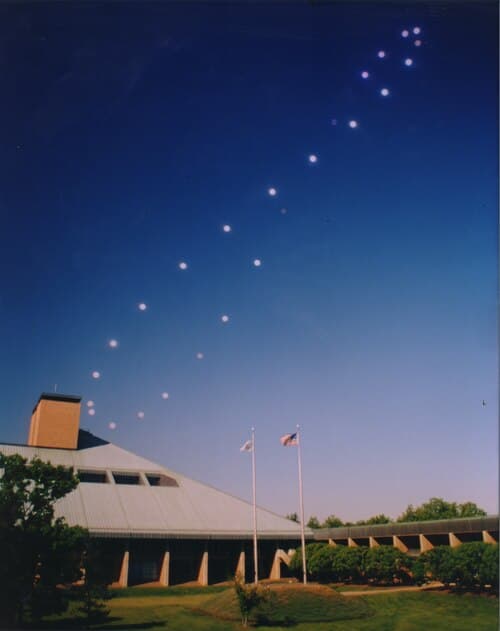
A year is a unit of time based on the period in which the Earth completes one orbit around the Sun. It is a fundamental unit used to measure dates, agricultural calculations, and social planning. It consists of twelve months in the standard calendar, or approximately 365 days.
Because Earth's orbit does not complete in a whole number of days, calendars employ adjustment methods. The Gregorian calendar, which is used globally, adds one day every fourth year—known as a leap year—to account for the approximately quarter-day additional period.
Types of years
Astronomy distinguishes several types of year. The tropical year is the period between two successive equinoxes and is the basis of lunisolar calendars. The sidereal year is the time it takes Earth to complete one full orbit as measured relative to distant stars, and is slightly longer than the tropical year. The Julian year is a fixed unit of 365.25 days, used by astronomers in calculations.
Calendars
The Julian calendar, introduced in the Roman period, was based on a year of 365.25 days. The Gregorian calendar, which refined the calculation of leap years, is now the international standard for commerce and government. The Islamic calendar is lunar; its year is shorter than the solar year by approximately eleven days, so the Islamic months rotate through the seasons of the year.
Social use
The year forms the basis for planning in finance (financial year), education (academic year), and law. Different organizations may choose when their working year begins, separate from January 1. In pastoral cultures, the year is divided into seasons of rain and drought, such as in Somalia, which has Gu, Xagaa, Dayr, and Jiilaal.